
Universal Pack at CPHI 2026
Universal Pack develops multi-lane platforms capable of handling different products, ensuring long-term production stability and consistent quality.
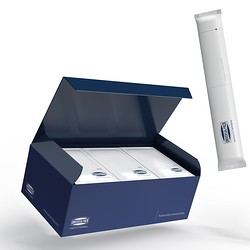
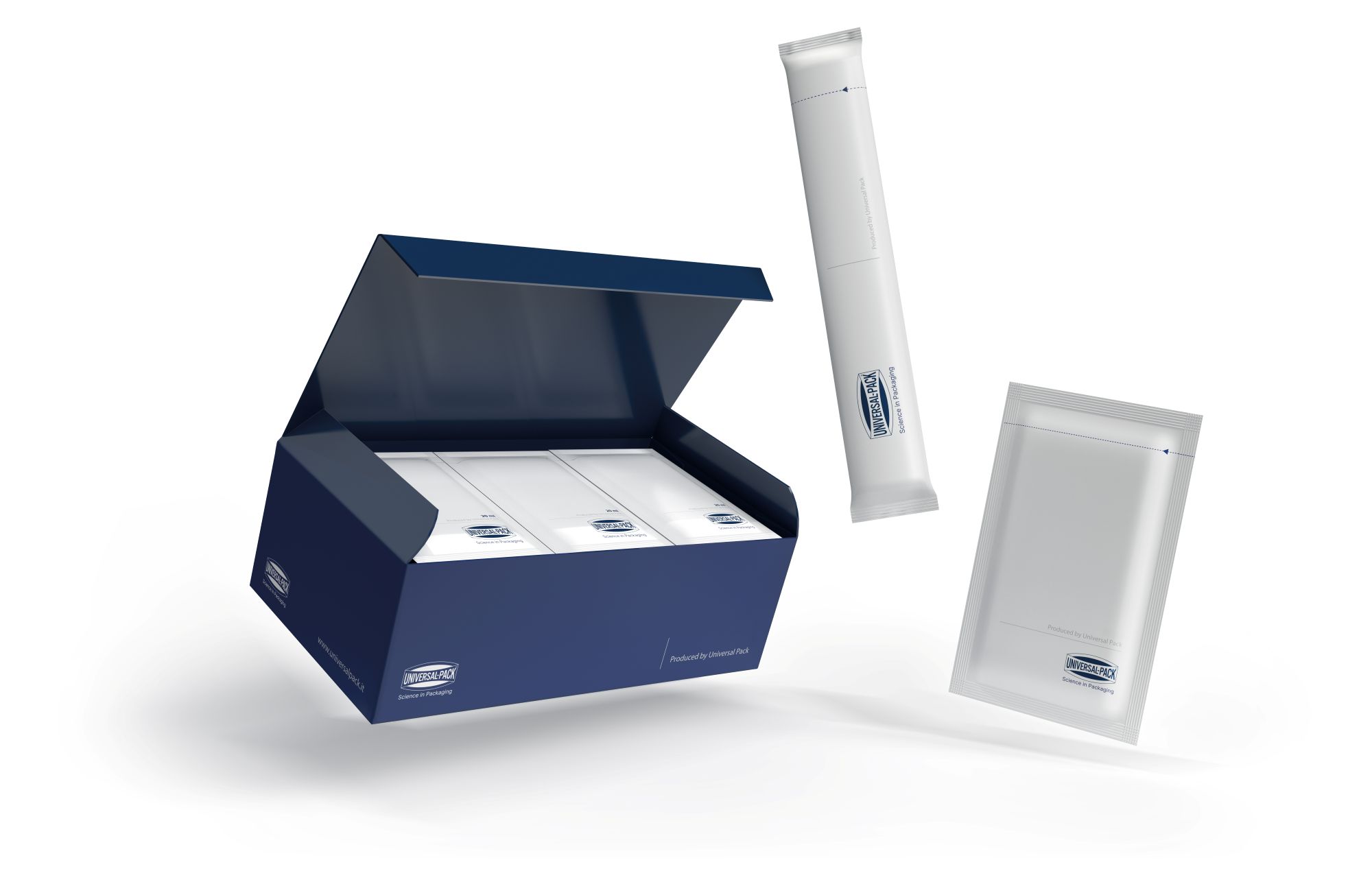
In pharmaceutical packaging, the evolution of sachets and stick packs goes beyond the format itself. Recyclable materials, production speed, product variety and integration with end-of-line equipment are transforming the packaging machine into a complete system in which film, dosing, sealing and handling must be developed together.
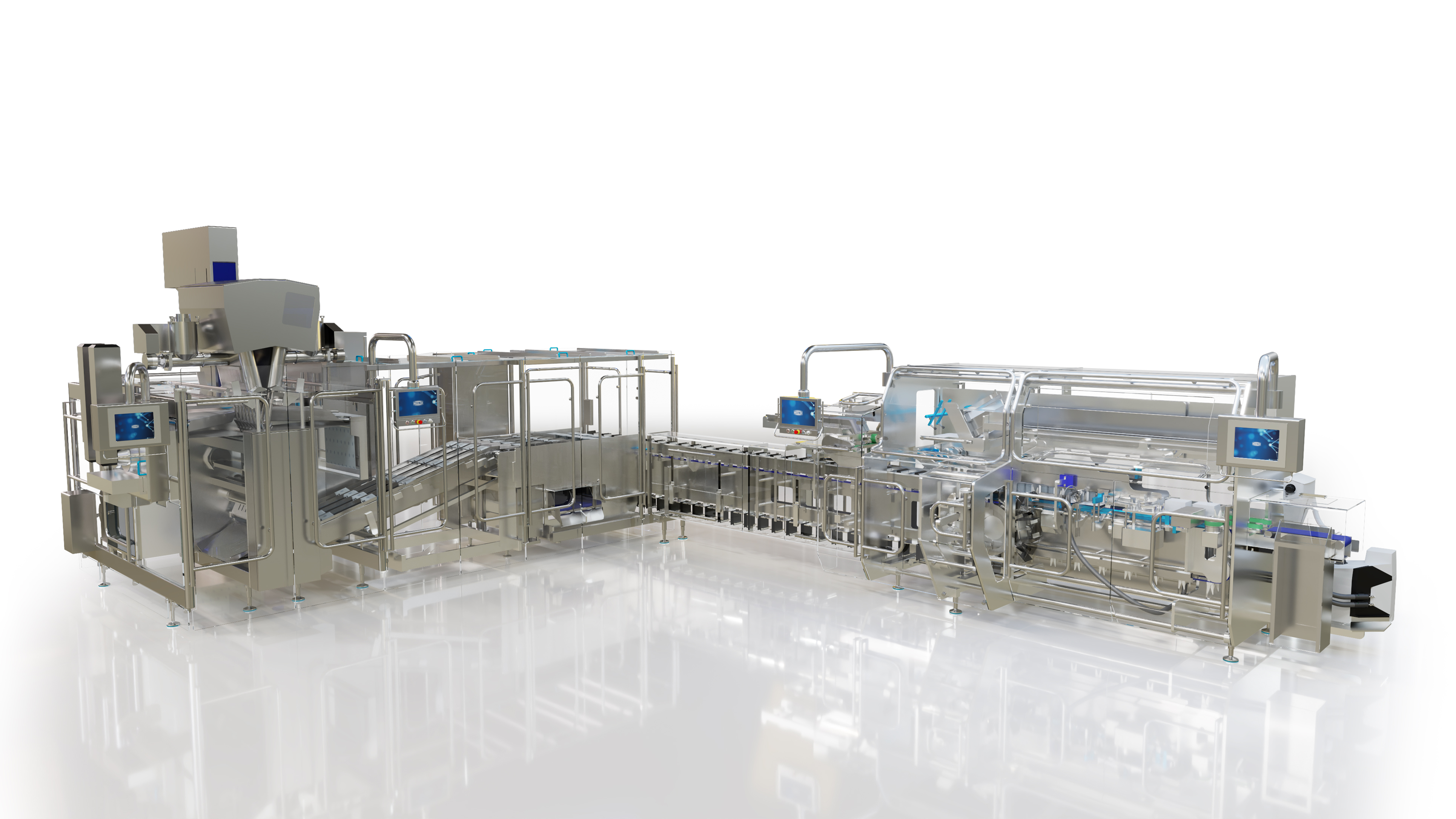
Universal Pack addresses this complexity through multi-lane platforms for solid, powder and liquid products. The machines can feed intermittent- or continuous-motion cartoners, collecting single-dose packs into pre-glued or flat die-cut cartons. The objective is not merely to achieve a high nominal speed, but to ensure stable product flow through to secondary packaging. One example is dual filling, which separately doses the active pharmaceutical ingredient and the excipient into the same sachet. By eliminating the premixing stage, this solution removes one process step and enables independent control of both doses, reducing the uncertainties associated with blend homogeneity. Production flexibility and dosing uniformity can therefore be combined with high output levels.
The interaction between film and machine is becoming increasingly important as the industry moves from multilayer laminates to recyclable mono-materials. In a conventional structure, the inner polyethylene layer has a lower melting point than the outer layers. With a mono-material, thermal behaviour is more uniform and the processing window may become more critical. Temperature, pressure and contact time must therefore be distributed evenly to achieve a reliable seal without deforming or melting the substrate.
To define these parameters, Universal Pack’s R&D laboratory carries out microchemical and microbiological tests on products and materials in collaboration with leading film suppliers. The results guide the design of the dosing system, extraction system, sealing units and product handling equipment. The same methodology is used to validate new applications on installed machines, a recurring requirement for CDMOs.
In the pharmaceutical industry, innovation must also be integrated with validation and maintenance requirements. Functional analyses and FDS, HDS and SDS documentation establish the connection between requirements, hardware, software and qualification activities. HMI alerts, MTBF data, condition monitoring and vision systems help preserve equipment availability and product quality over time.
CPHI Milan - Stand 9J44
Gallery





Le Riviste



I portali collegati

Follow us