
Schubert at interpack 2026
In this interview, Stefan Horvath, Product Manager at Schubert’s Packaging Competence Center, outlines the key features of the Flowpacker system that will be showcased at interpack and represents the latest generation of the TLM range.
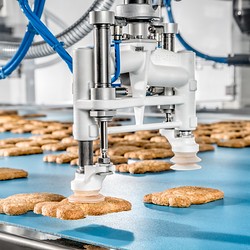
Flow-wrap bags stand out in the packaging mix, not only because of their iconic shape. They can be formed from different materials and allow fast processing of a large number of products, securing recyclability, efficiency and high quality at the same time. State-of-the-art systems like those from Schubert’s TLM range, which are on display at interpack, contribute to those goals. Stefan Horvath, Product Manager at Schubert’s Packaging Competence Centre, outlines the system’s key features.
Schubert has made a name for itself in flow-wrapping, not least due to its Flowmodul flow-wrapping unit. What makes the technology so unique?
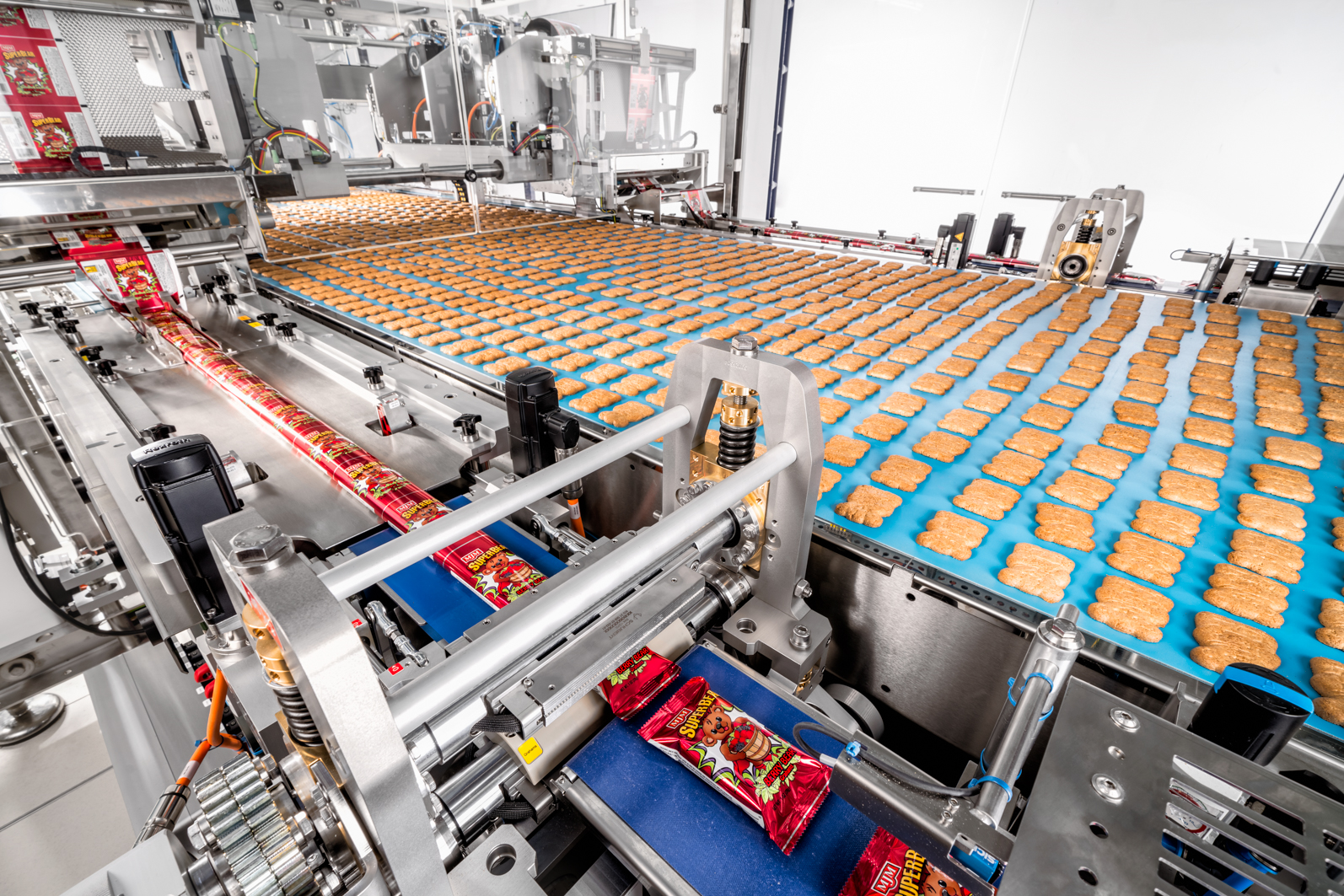
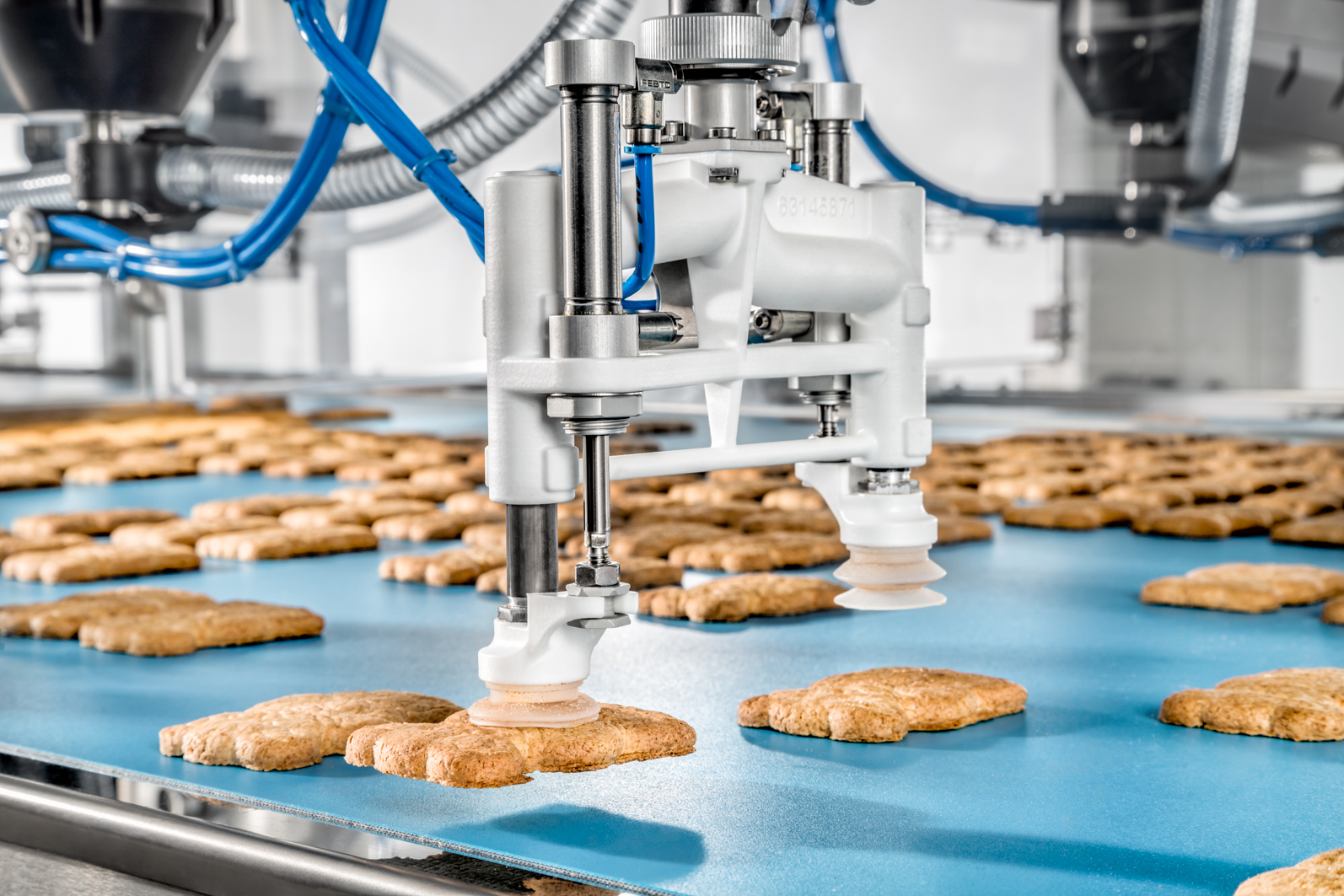
The Flowmodul can easily be integrated into a picker line, creating a flow-wrapping machine such as Schubert’s Flowpacker. The latter is on display at interpack and represents the latest TLM generation. The machine combines proven Schubert robotics and a stiffer frame, to name but a few advantages. Instead of using conventional belts, the flow-wrapping machine utilizes pick-and-place robots for product feeding, significantly reducing the required floor space. The Flowmodul, which is part of our TLM modular system, produces flow packs with a high flexibility in terms of sealing.
How so?
The Flowmodul is available with various sealing methods, including heat and ultrasonic sealing. This enables fast and effortless switching between composite films and new sustainable materials made from mono-materials or paper, as we will demonstrate at the trade show. The machine on display will create mono-PP flow packs containing stacks of three round biscuits each. As end customers and retailers demand greater packaging variety and sustainable solutions, we as machinery provider must ensure that our technology is up to the task. This is as much a question of sealing technologies as of the overall machine characteristics.
Can you explain this in greater detail?
Although heat sealing is a reliable method of sealing composite films, care should be taken when sealing mono-material films. Their layers have the same melting point, therefore requiring gentle sealing to avoid damaged seams, especially when film speeds vary. Our flying cross-sealing unit allows to produce optimal heat seams, as the sealing time can be adjusted to the film speed. This results in hermetically sealed cross seals, even with exceptionally thick high-barrier and mono films with longer sealing times. Since more sensitive materials – especially mono or paper-based films – require more gentle technologies, we also offer ultrasonic longitudinal and cross-sealing. Vibrations generate friction on the seam zone, gently heating the films and bonding them together at much lower temperatures than heat sealing.
You mentioned overall machine characteristics. Could you explain how they tie into the latest TLM generation?
High cycle rates, sensitive products and growing product diversity raise the question of how packaging lines can be designed to not only achieve optimum results, but also to use resources more efficiently in the long term. Apart from adequate sealing technologies, efficient processes require a frame and robotics that support fast, precise and yet energy-efficient operations. This is why we developed a new TLM machine frame that is four times stiffer than in previous TLM generations, combined with optimized pick & place tools for our robots, and AI.
Where exactly does the latter support packaging processes?
Algorithms help in planning robot paths and achieving smoother, more coordinated robot movements. This enables customers to reduce peak loads, vibrations, and unnecessary dynamic forces acting on components. As a result, drives use less energy, placing less stress on bearings and gears and extending their service life. AI also improves the balance between speed and accuracy, allowing the system to operate more smoothly and remain easier to control throughout its lifecycle. We’ll reveal the full details at the show, where visitors can also explore our LIGHTLINE and TOG range.
Hall 14 / D01
Prodotti e tecnologie: GERHARD SCHUBERT
Gallery




Le Riviste



I portali collegati

Follow us